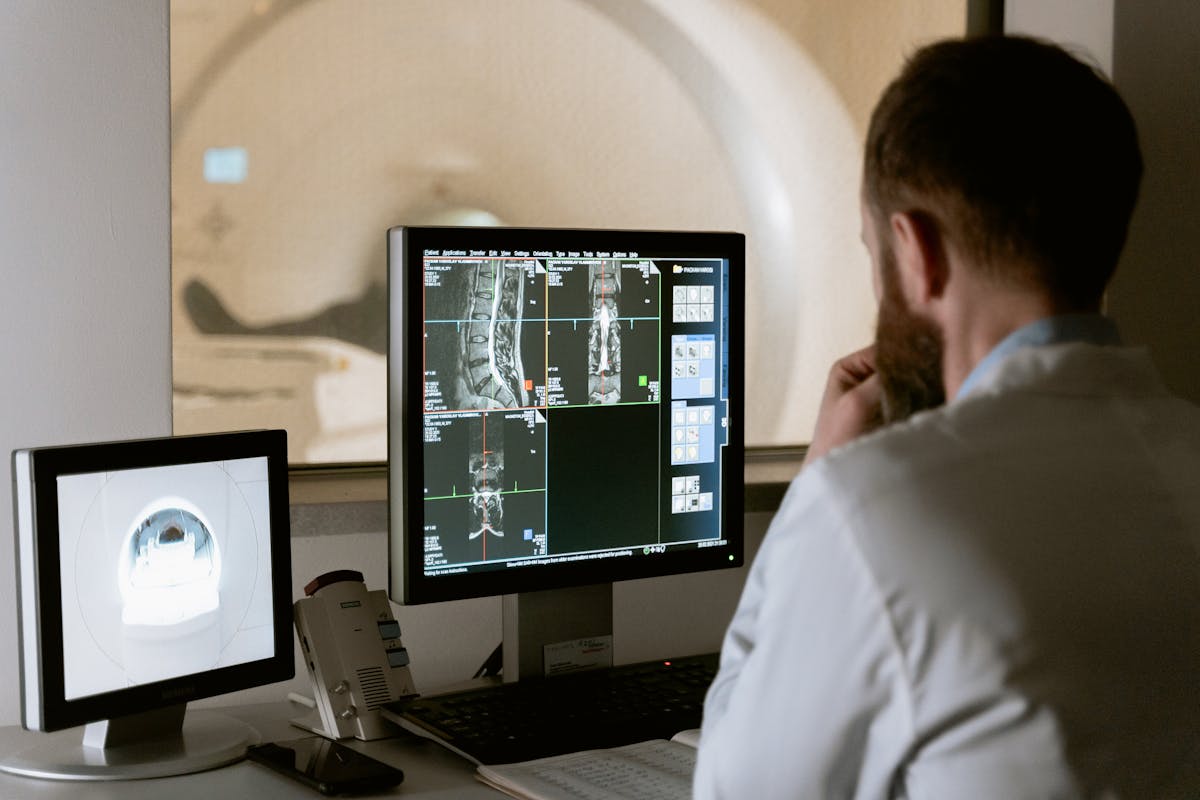
Introduction to Medical Office Server Migration
In today's fast-paced healthcare environment, the need for efficient and secure IT systems is paramount. Medical office server migration is a critical process that can enhance your practice's operational efficiency, data security, and compliance with regulations such as HIPAA. As healthcare organizations increasingly move towards cloud-based solutions, understanding the intricacies of server migration becomes essential. This guide aims to provide you with actionable insights into how to seamlessly migrate your medical office servers, ensuring that your practice remains compliant, secure, and efficient.
Understanding Medical Office Server Migration
Medical office server migration involves transferring your existing data and applications from one server environment to another. This could range from moving data from on-premises servers to cloud-based solutions or upgrading your current infrastructure. The migration process is not just a technical task; it significantly impacts how your healthcare organization operates daily.
When done correctly, server migration can lead to:
- Enhanced data security and compliance with HIPAA regulations.
- Improved accessibility for electronic health records (EHR) and other critical applications.
- Greater scalability to accommodate growing data needs.
Why Choose a Single Vendor for Your IT Needs?
One of the most significant challenges healthcare organizations face is managing multiple IT vendors. Each vendor may handle different aspects of your IT infrastructure, leading to potential gaps in communication and support. By consolidating your IT services with a single vendor, like Zevonix, you can streamline communication, reduce overhead costs, and ensure a coordinated approach to your IT needs.
Key Steps in Medical Office Server Migration
To ensure a smooth migration process, follow these essential steps:
1. Assess Your Current Infrastructure
Before initiating the migration, conduct a comprehensive assessment of your existing IT infrastructure. Evaluate the current server capabilities, data storage needs, and software applications used within your medical office. This assessment will help identify what needs to be migrated and any potential challenges you may face.
2. Develop a Migration Plan
Creating a detailed migration plan is vital for a successful transition. Your plan should include:
- Timeline for the migration process.
- List of critical applications and data that need to be migrated.
- Identification of potential risks and their mitigation strategies.
- Backup strategies to ensure data integrity during the migration.
3. Ensure HIPAA Compliance
HIPAA compliance is non-negotiable in healthcare. Ensure that your migration plan incorporates necessary measures to protect patient data. This includes using encrypted connections during the transfer and ensuring that all data is stored securely in compliance with HIPAA regulations. Working with a managed IT provider that specializes in healthcare, like Zevonix, can help you navigate these regulations effectively.
4. Conduct Testing
Before fully migrating to the new server environment, conduct thorough testing to identify any issues. This can include:
- Testing the functionality of EHR systems.
- Verifying data integrity and accessibility.
- Ensuring that all applications run smoothly in the new environment.
5. Execute the Migration
Once testing is complete, it's time to execute the migration. Ensure that all stakeholders are informed and ready for the transition. This step may involve some downtime; therefore, it's best to plan the migration during off-peak hours to minimize disruptions.
Post-Migration Considerations
After the migration is complete, focus on the following:
- Training staff on any new systems or processes.
- Regularly monitoring the system for any issues.
- Conducting a post-migration review to assess the success of the migration and identify areas for improvement.
Maximizing Your IT Investment
To maximize your IT investment, consider ongoing managed IT services. A comprehensive managed IT service provider can offer:
- Continuous support for EHR systems and other critical applications.
- Regular updates and security patches to safeguard your data.
- Proactive monitoring to prevent potential issues before they escalate.
By choosing a single vendor for all your healthcare IT needs, you can ensure that your organization benefits from a cohesive strategy that simplifies processes and enhances patient care.
Conclusion
Medical office server migration is a significant step towards modernizing your healthcare practice. By following a structured approach and relying on a trusted IT provider like Zevonix, you can ensure a successful migration that aligns with HIPAA compliance and enhances your organization's cybersecurity posture. Embrace the benefits of a single-vendor IT solution, and position your healthcare organization for success in an increasingly digital world.